Self-defence
Learn defensive movements and principles, develop awareness and understand the importance of prevention.
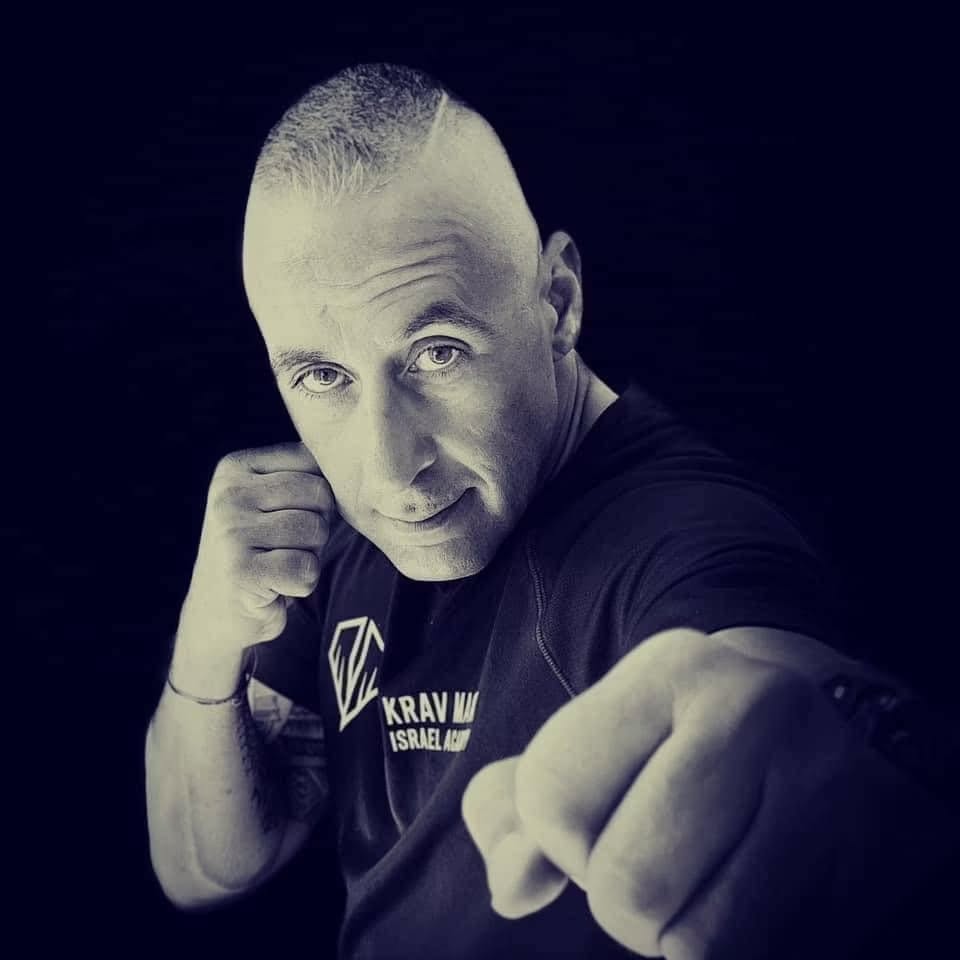
Technique, fitness and confidence. Discover Krav Maga training with João Paulo.
Find out more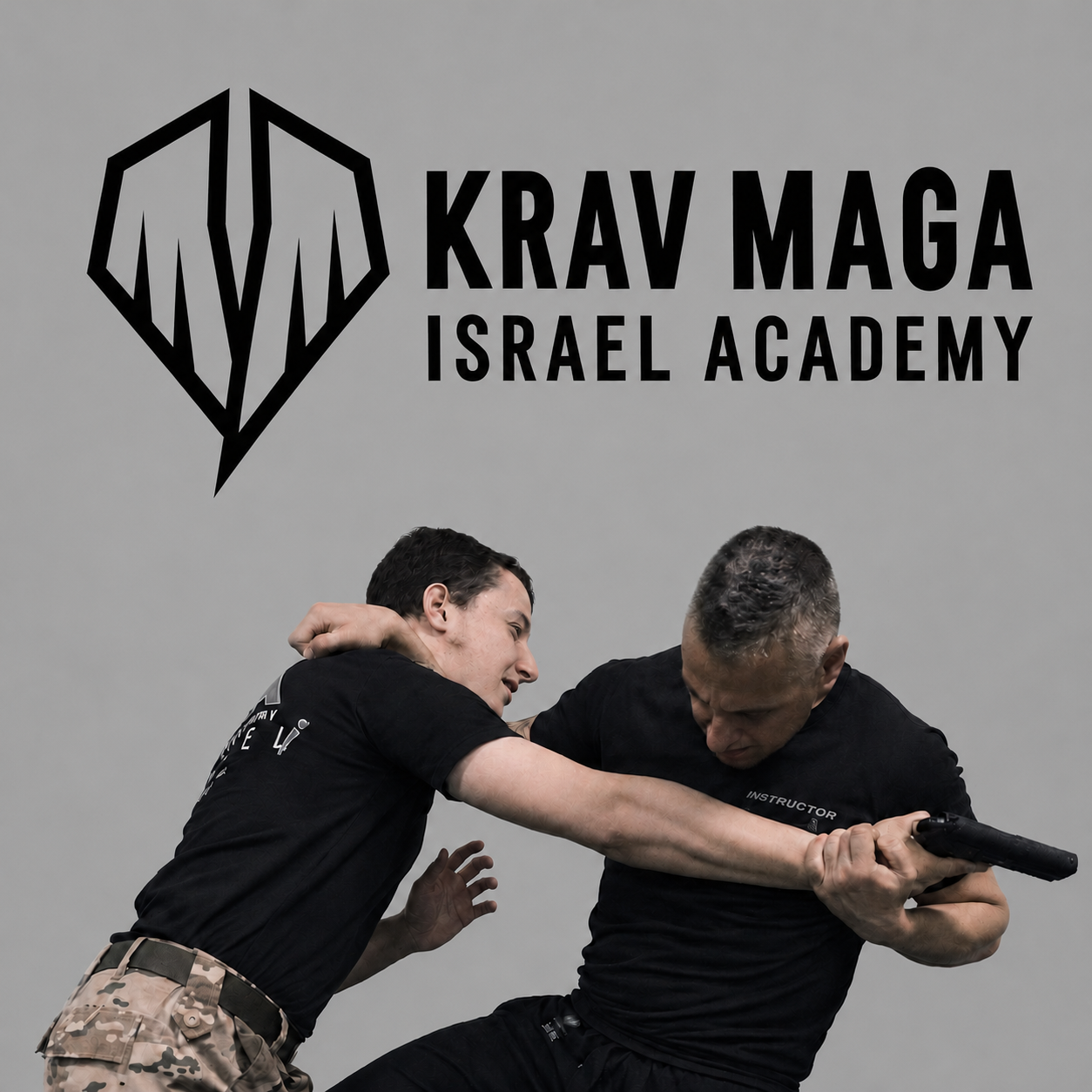
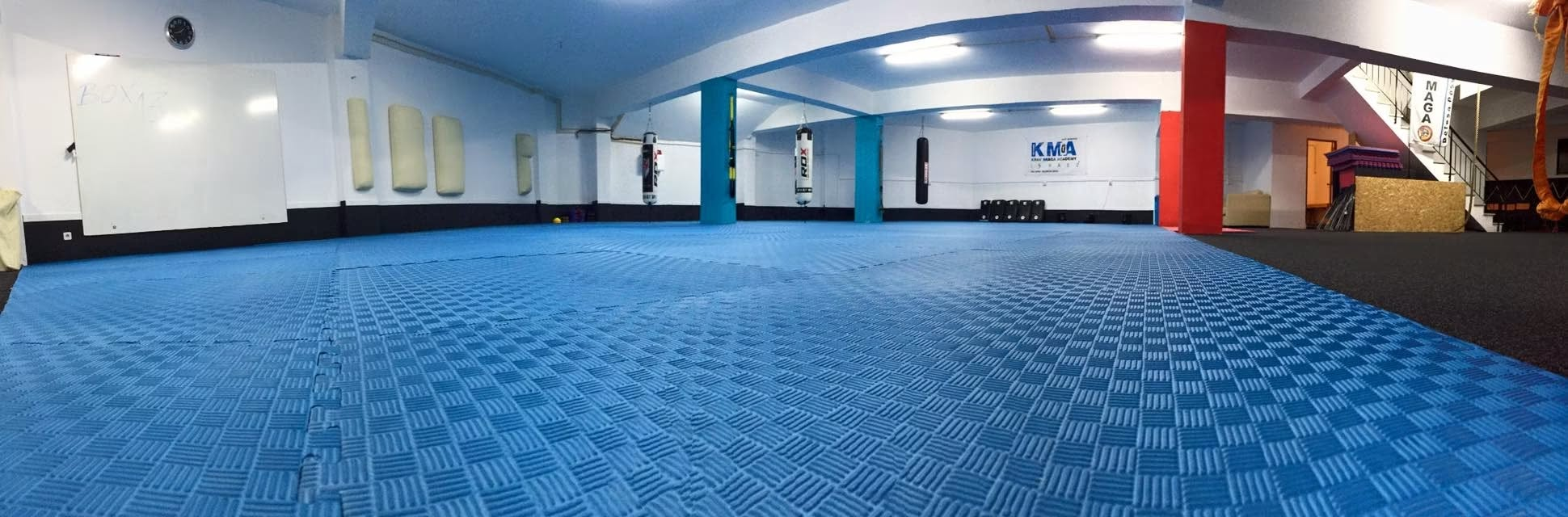
Our academy offers two disciplines: Krav Maga for adults and children, and Tieboxe.
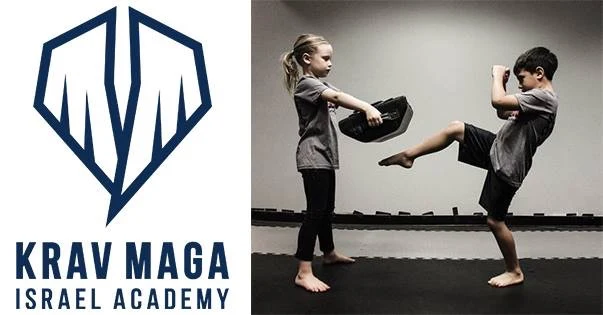
Adult classes combine self-defence and physical conditioning, with exercises that help students recognise risks and make decisions under pressure. Children's classes are adapted to their age. Through games and everyday scenarios, children build coordination and confidence and learn to set boundaries, move away and ask for help.
Tieboxe is an intense, non-contact functional boxing workout with high calorie expenditure. It develops endurance, coordination, footwork and boxing technique.
It was designed for people who want to train in boxing while avoiding contact-related bruises and injuries, especially when they need to be ready for work the next day.
If you'd like to try either discipline or get back into training, contact us to find out more about the classes.
Explore the trainingLearn defensive movements and principles, develop awareness and understand the importance of prevention.
Build endurance, coordination and mobility through regular training.
Practise, refine and consolidate your skills. Focus on sound technique and respect for your training partners.
Krav Maga is an Israeli self-defence system. Its Hebrew name means “contact combat”. Imi Lichtenfeld, also known as Imi Sde-Or, played a central role in developing the system and adapting it for civilian instruction.
Lichtenfeld was born in Budapest in 1910 and grew up in Bratislava, where he practised boxing, wrestling and gymnastics. In the 1930s, amid antisemitic violence, he helped defend the local Jewish community. The experience shaped his approach to self-defence and highlighted the difference between competing under rules and facing an unpredictable assault.
After the State of Israel was established in 1948, the Israeli armed forces adopted close-combat practices that had already been developing, including Kapap and Krav Maga. Lichtenfeld systematised Krav Maga during his work as a military instructor.
In 1964, Lichtenfeld left the military and began teaching Krav Maga to civilians in Tel Aviv and Netanya. He adapted the curriculum and introduced a progression system based on judo belts. In the decades that followed, Krav Maga spread internationally and different schools and organisations emerged.
The aim of Krav Maga is to prepare people to recognise danger, avoid confrontation where possible and protect themselves so they can get to safety.
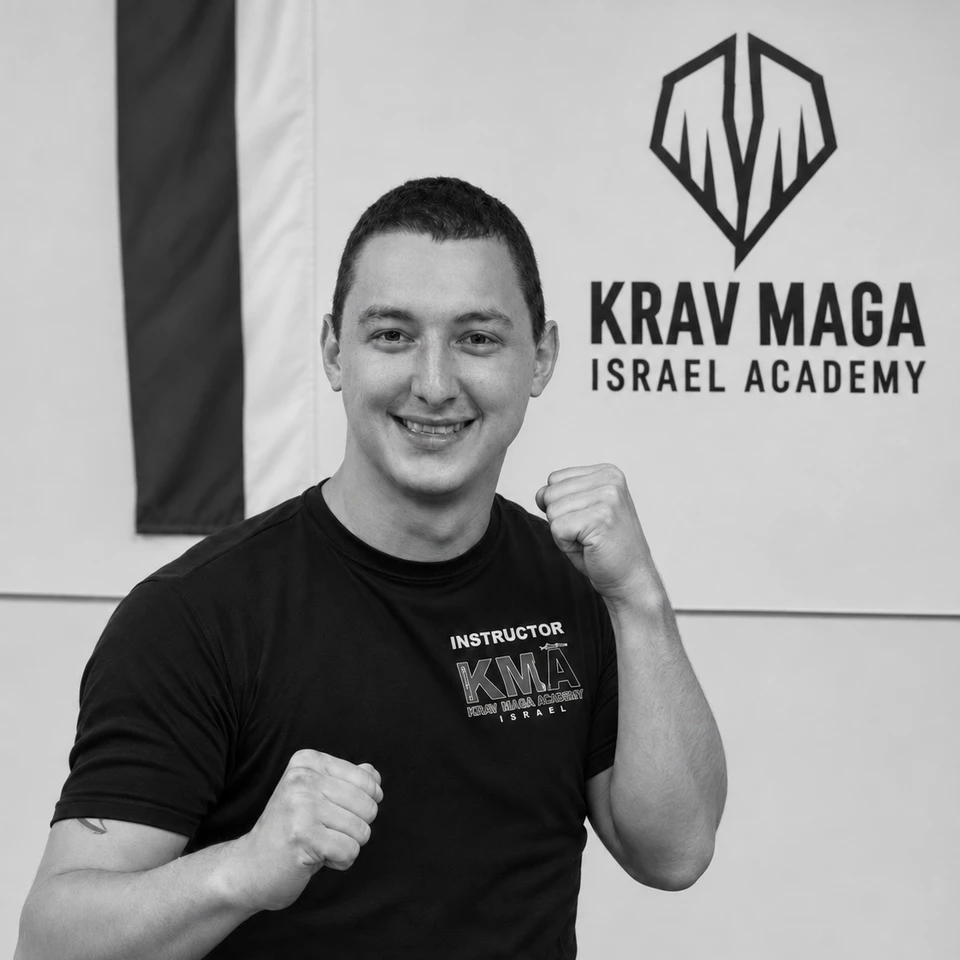
Krav Maga Expert
Instructor in Israeli self-defence — civilian, police and military Krav Maga.
Contact in MMA is real. So what does scenario training in Krav Maga add? Self-defence instructor João Paulo Soares explains how the situation changes the decisions trainees make.
In MMA, contact is real and is part of preparing an athlete for competition. Krav Maga was developed for self-defence. Our aim is to prepare people to protect themselves and get out of danger. That changes how we train and the decisions we practise making.
In combat sports, there are rules, a referee and ways to stop the action. In jiu-jitsu, for example, when an athlete taps out, their opponent lets go. In the gym, you can also ask to stop and resume when you are ready. In a street assault, the attacker may carry on, someone else may get involved, or a weapon may appear. The situation can change in seconds.
One on one, being able to take someone to the ground and control them can be a real advantage. If a second person appears while the fighter is on the ground, the situation changes. The fighter still has those skills. What has changed is what is happening around them and the decision they need to make.
Exactly. We use rules in the gym to keep everyone safe. Within those rules, we recreate situations involving more than one attacker or the possibility of a weapon. The exercise develops awareness, decision-making under pressure and the ability to recognise a chance to get away.
I support both and encourage people to practise them. Children should also have the chance to try a martial art or combat sport. Well-guided training can help them build confidence, cope with frustration and develop motor skills such as coordination and balance.
It provides a good foundation. Self-defence on the street also requires preparation for situations outside the conditions of a sporting contest. That is what we work on in Krav Maga.
For me, whatever the discipline, the quality of the instructor makes the difference. Someone will always claim to have found the holy grail of martial arts. What matters to me is whether the instructor can teach the fundamentals and adapt their teaching to the student's age, experience and ability.
And adapting does not mean making things up! It means adjusting the exercise to the person while keeping the principle being taught.
When I train in a combat sport at the gym, I know my opponent and I may leave with a few bruises and feeling a little battered. But afterwards we can go for a coffee together.
In Krav Maga and in a street confrontation, I have to make sure that the only person going for a coffee afterwards is me!
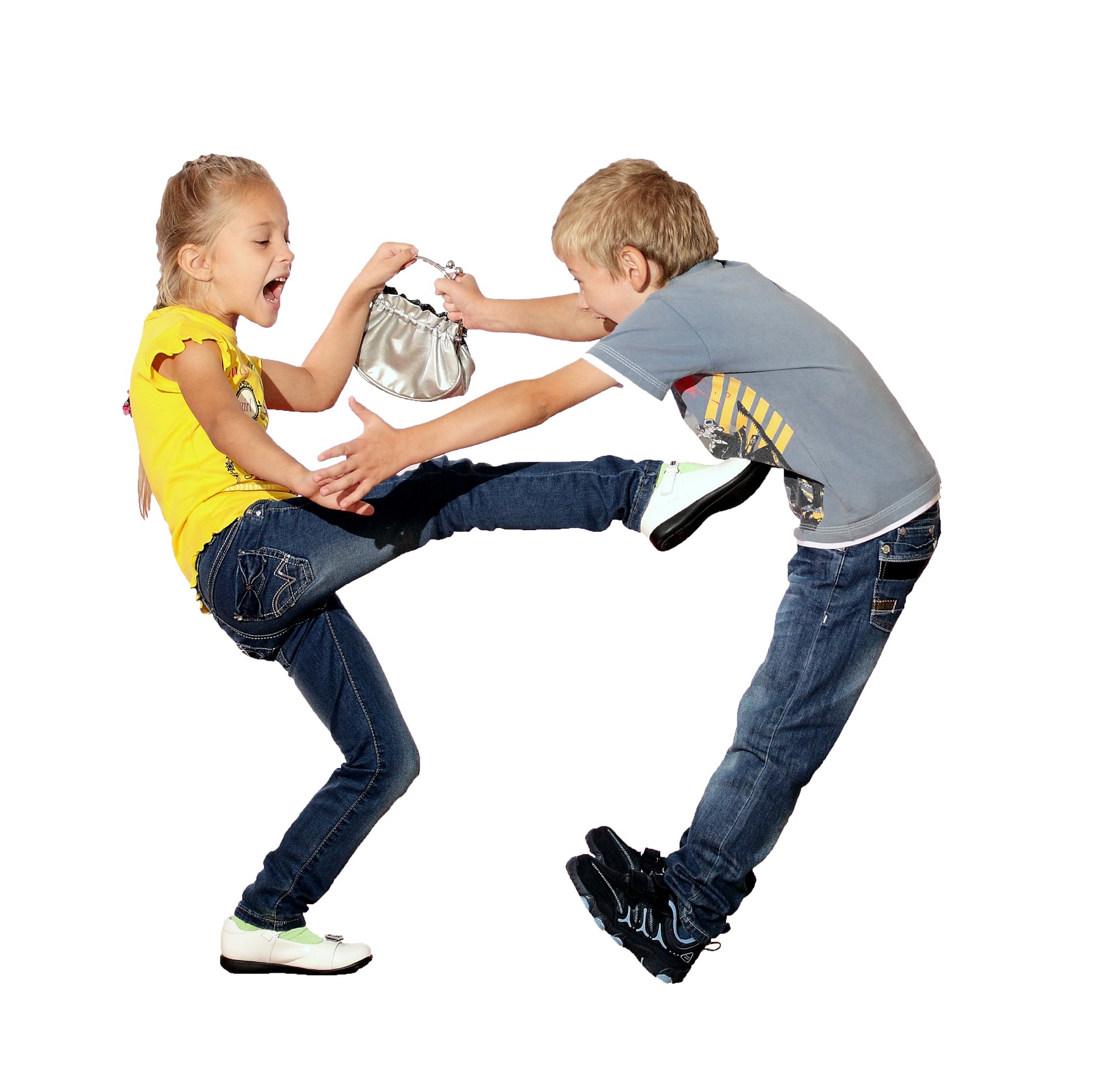
Insults, threats, exclusion and aggression can be forms of bullying when they recur and there is an imbalance of power. It can happen at school, in sport or online. A child may take time to speak up because they feel ashamed, afraid or worried that things will get worse.
Many adults tell children to defend themselves if they are attacked. It is easy to give that advice, but even an adult may freeze if they have never practised dealing with a confrontation. Krav Maga gives children a chance to practise those decisions in age-appropriate, supervised exercises.
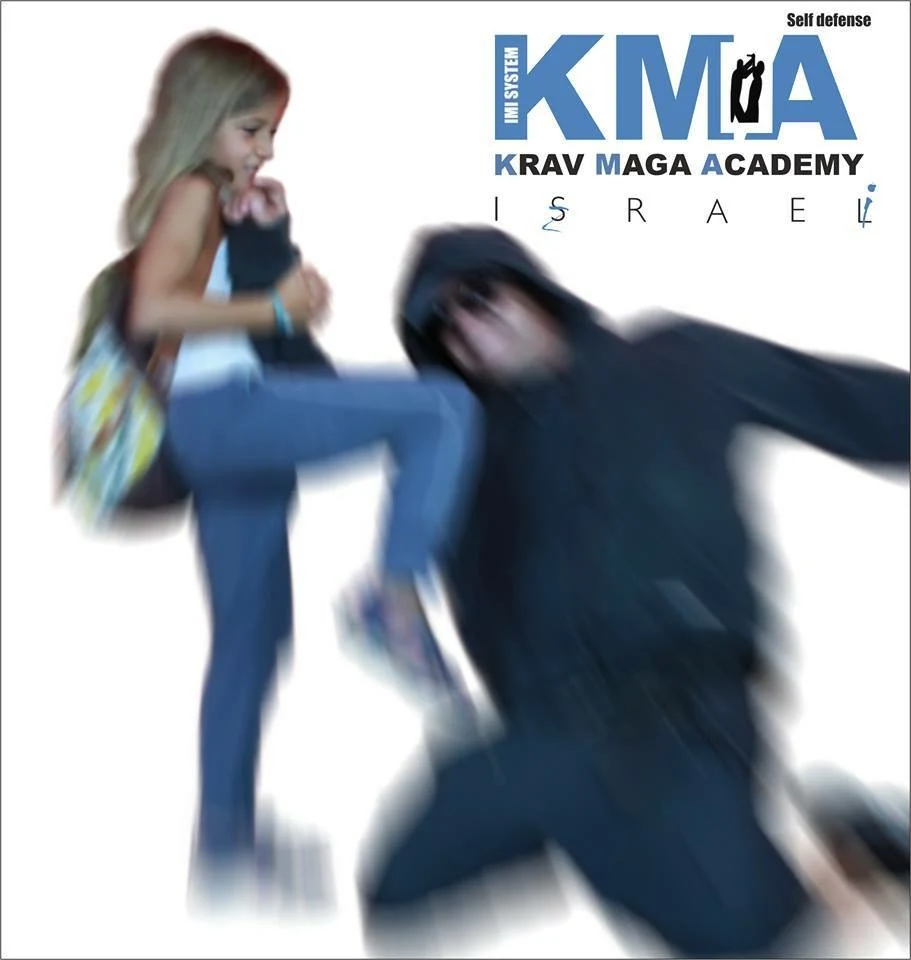
Training starts with prevention. Children learn to recognise intimidation, use their posture, voice and body language to set boundaries, and move away when they have a safe way out.
An adult may be out of reach and calling for help may be difficult. If a physical assault is already happening and there is no safe alternative, training prepares a child to protect themselves and use only the force needed to stop the assault and get away. Once safe, they should tell a trusted adult what happened.
The six-year-old group explores these principles through games and simple exercises. The twelve-year-old group also discusses situations such as peer pressure and intimidation.
If a child tells you they are being bullied, listen calmly and tell them they did the right thing by speaking up and that it is not their fault. If schoolmates are involved, speak to the teacher or school leadership and agree with the child who they can turn to if it happens again. Adults are responsible for intervening and following up. Training can support the child through that process.
Classes combine self-defence and physical conditioning. Training focuses on prevention, awareness and decision-making under pressure.
Tieboxe means “boxing with a tie”. The name reflects the idea behind the discipline: you can practise boxing and go to work the next day without the marks that can come from contact in a bout.
It is an intense, non-contact functional boxing workout with high calorie expenditure. Classes develop physical endurance, coordination, footwork and boxing technique.
Anyone who wants to learn or practise boxing without sparring. It is especially suited to people whose work makes contact-related bruises, visible marks or injuries a practical problem.
The exercises develop the physical and motor skills used in boxing. Trainees can practise technique, movement and footwork without exchanging punches with a partner.
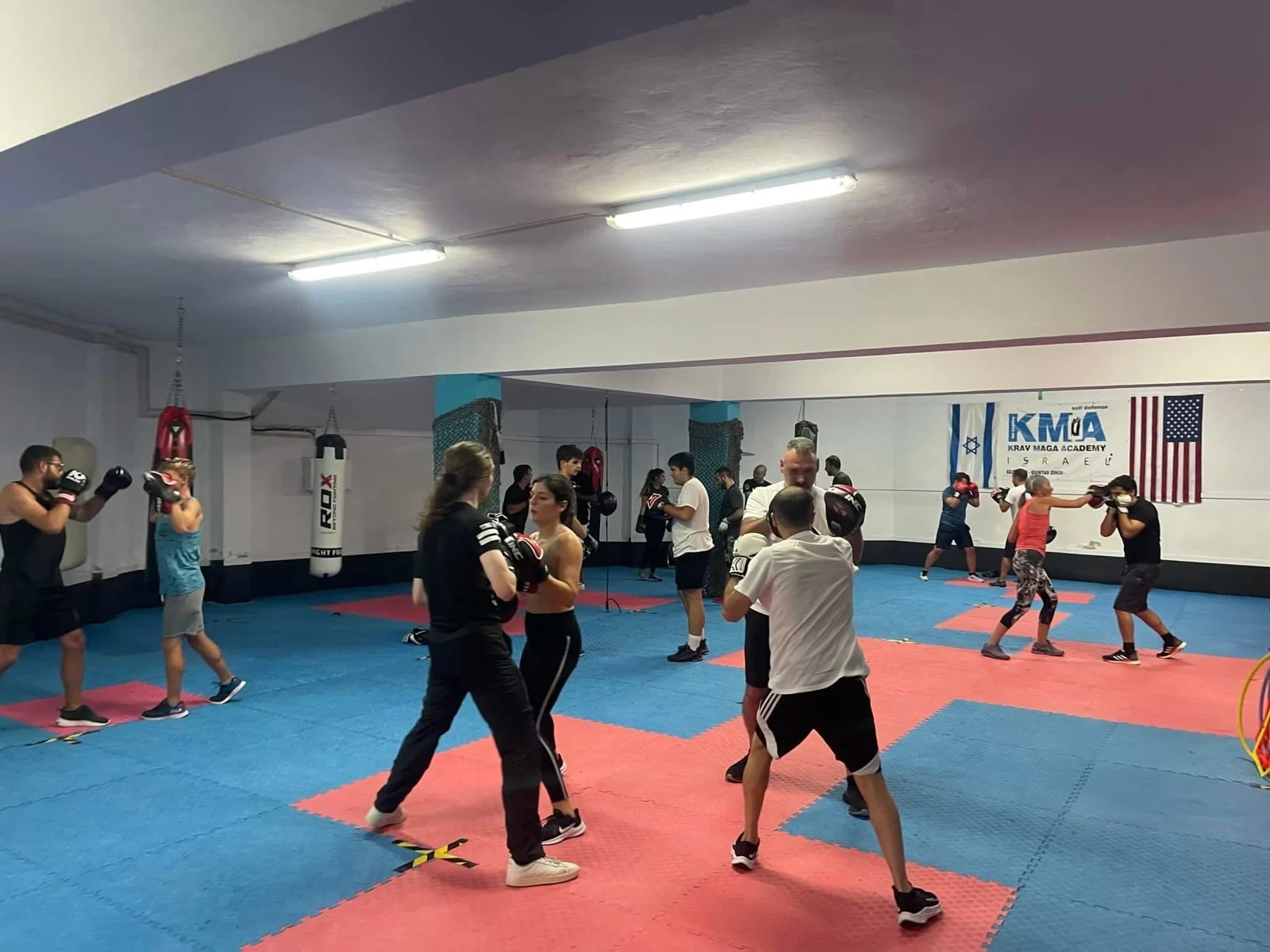
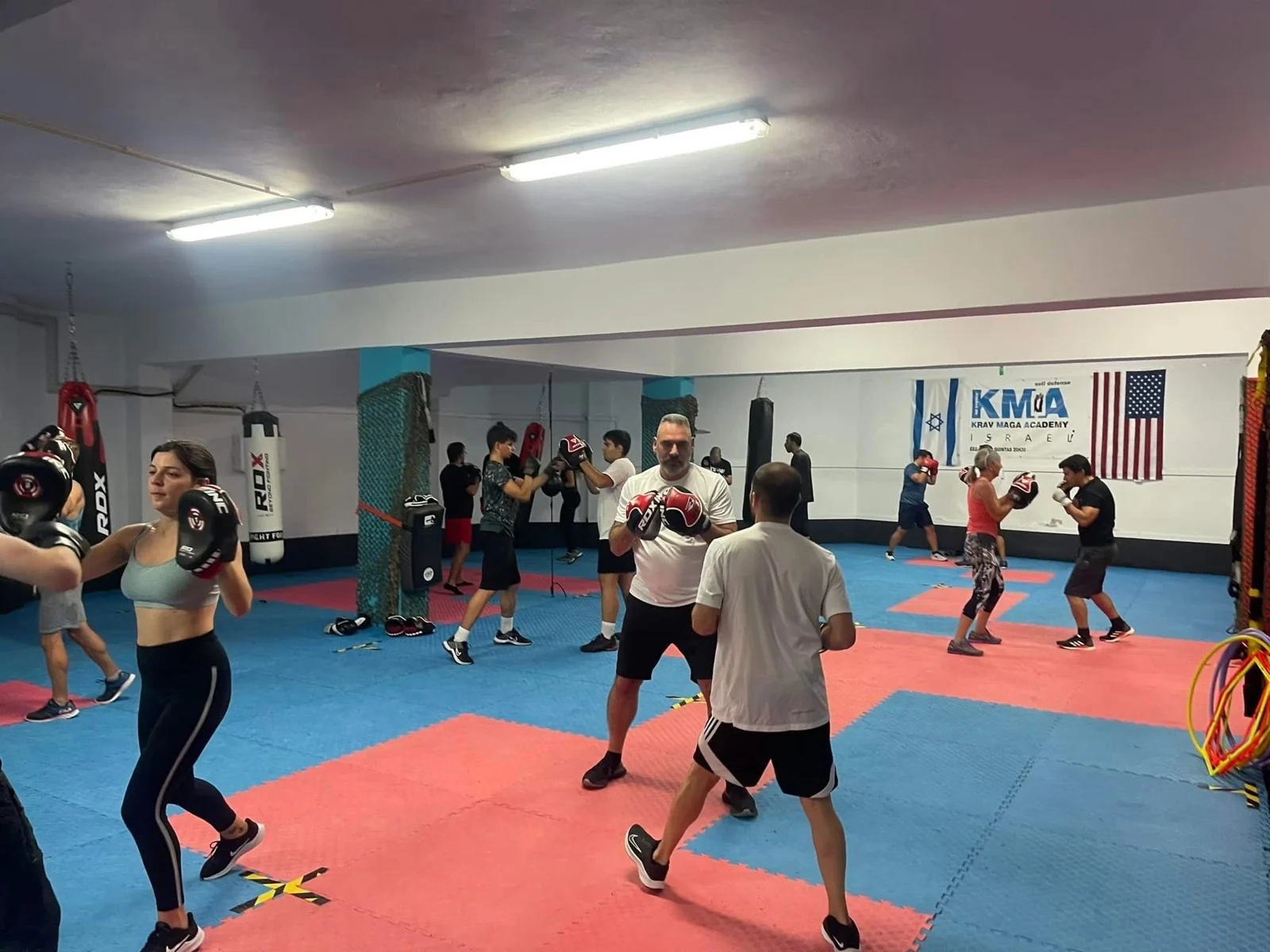
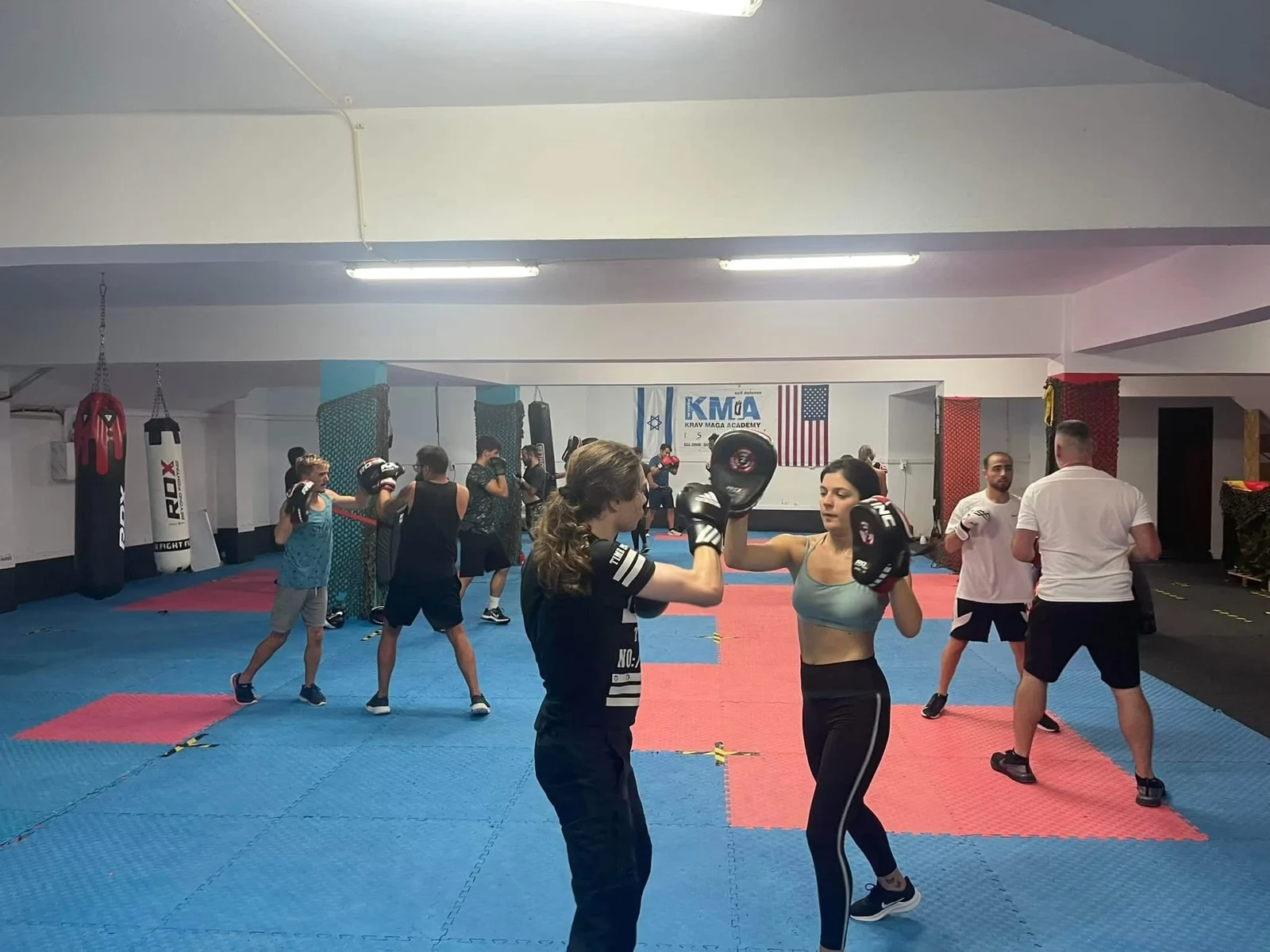
Photos and videos of the academy and its classes.
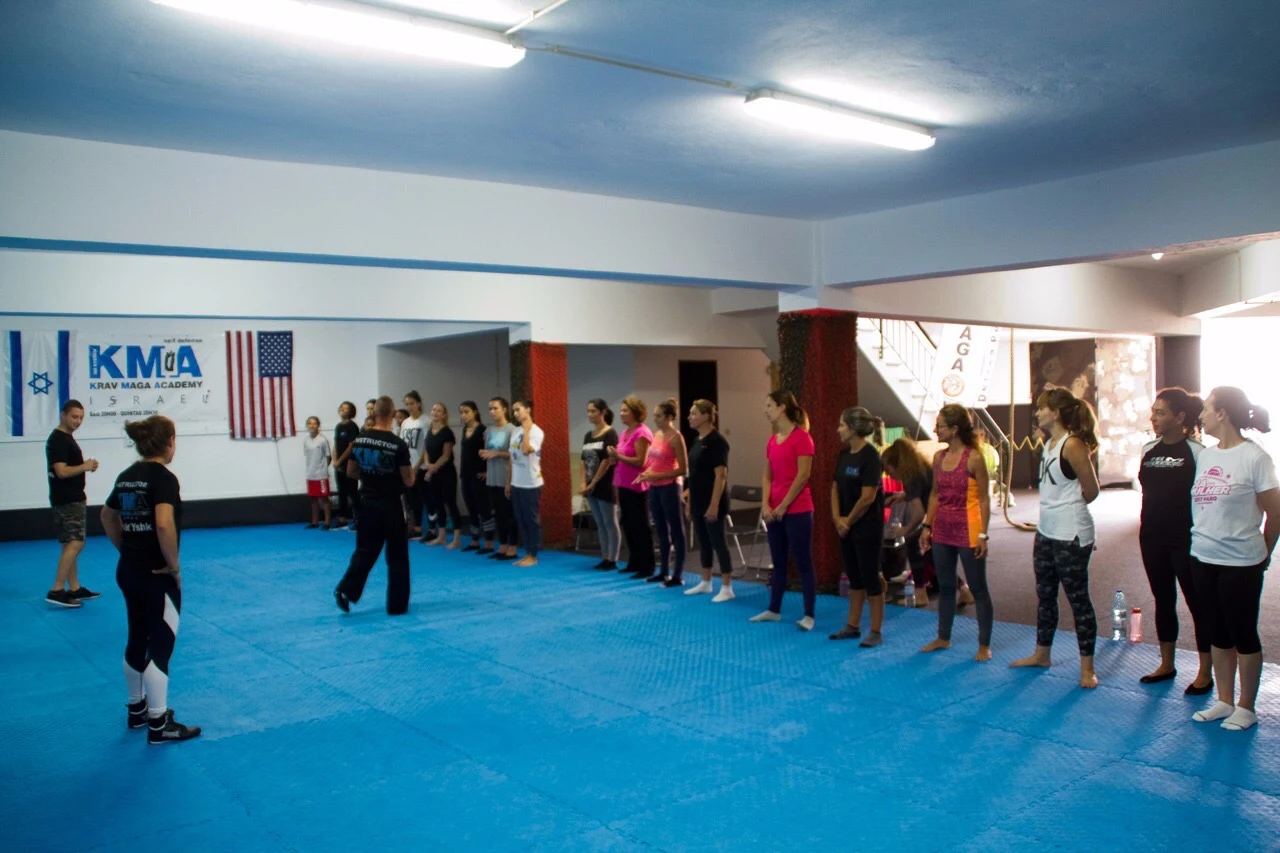
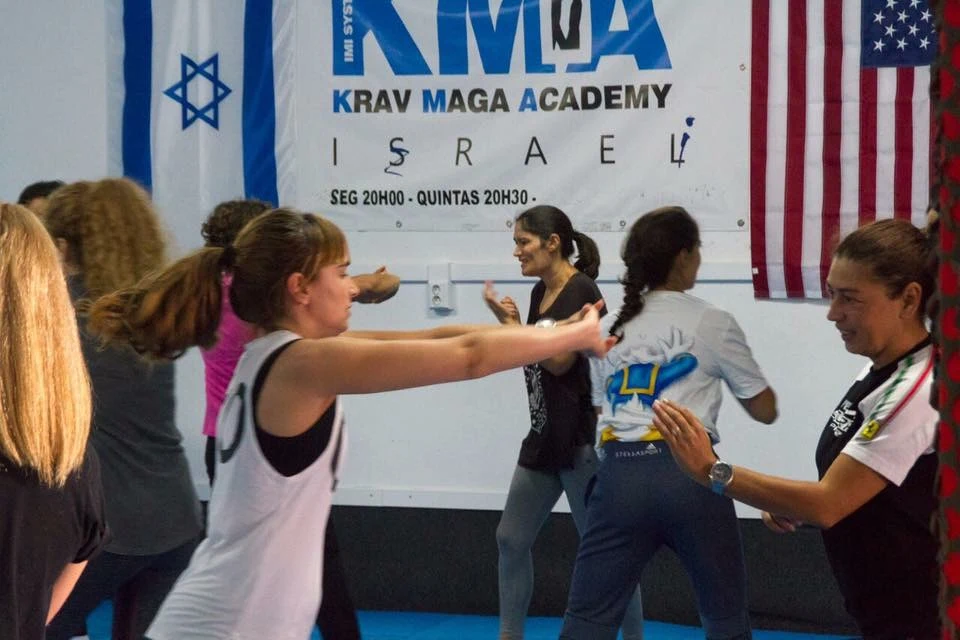
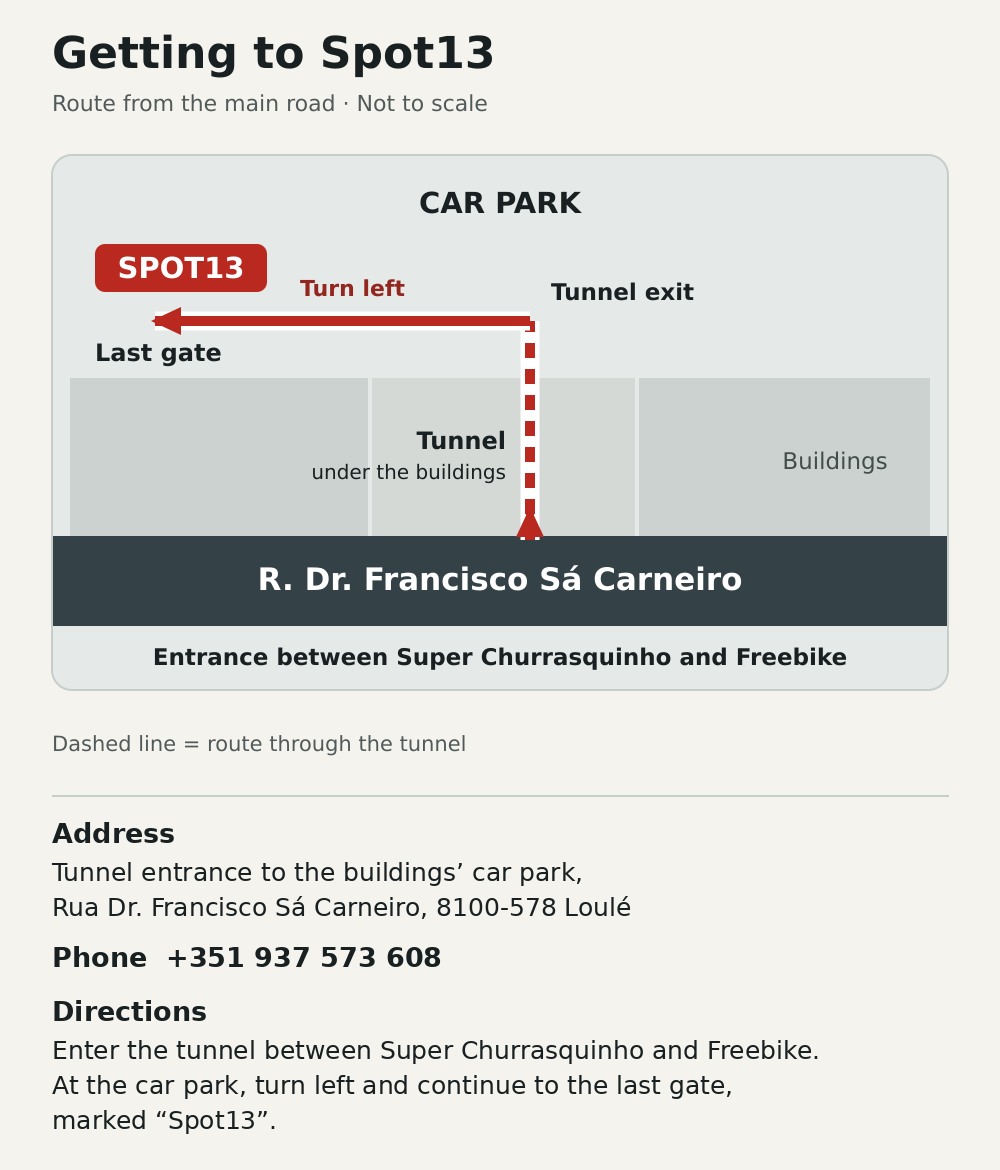
Address
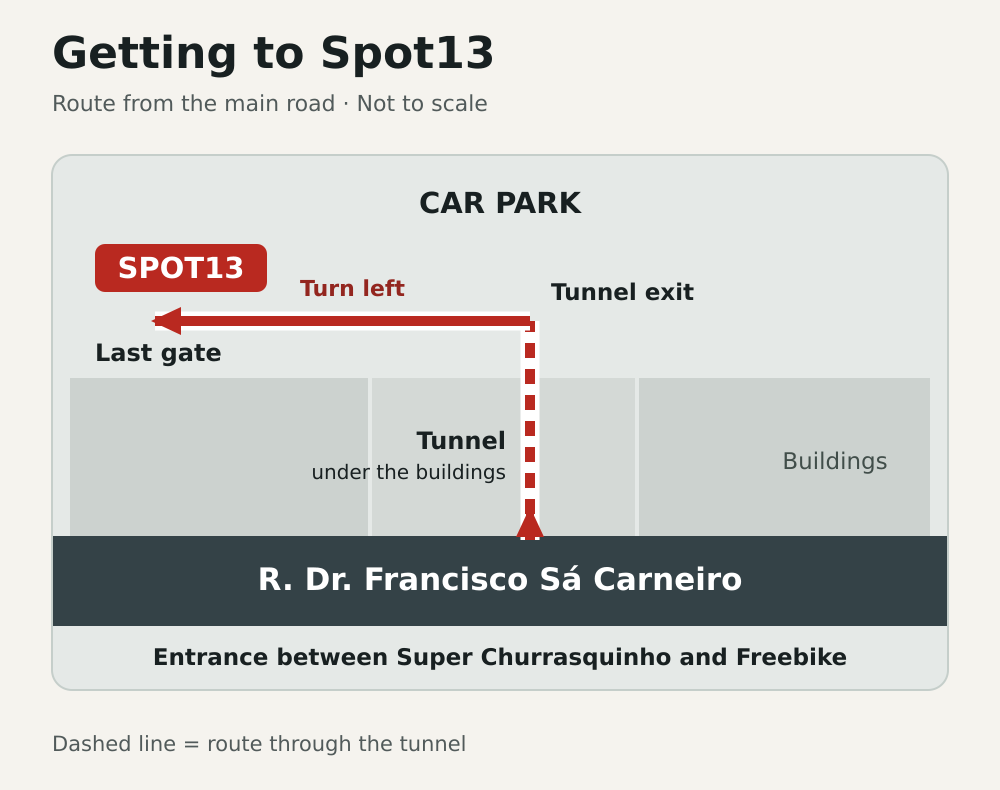
Tunnel entrance to the buildings’ car park, Rua Dr. Francisco Sá Carneiro, 8100-578 Loulé
Phone
+351 937 573 608